
Watch your back!
Besides securing your backyard patio door (see our section on Patio Door Security), there are additional things you can do to improve the security of your backyard itself. You can restrict access to your backyard, make it unfriendly to them, and disallow burglars to use your things against you. Burglars prefer not to carry tools on them, so don't inadvertently help them!

Fencing and hedges can help keep people off your property and make escape more challenging but make sure line of sight is preserved. Avoid privacy fencing (wood) over 4 feet tall and keep access gates locked.
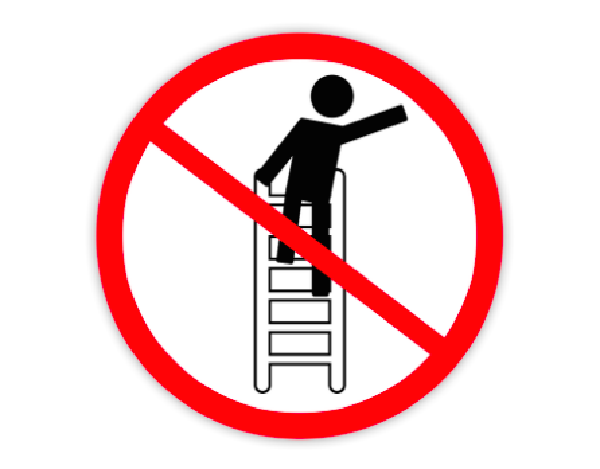
Remove or secure ladders, rain barrels, firewood or other objects that are against walls and allow climbing up to the second floor windows.
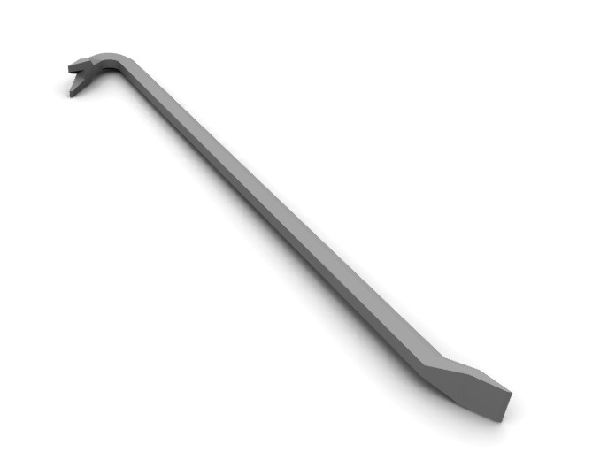
Secure tools that can be used to break & enter such as crowbars, hammers, prybars and screwdrivers.
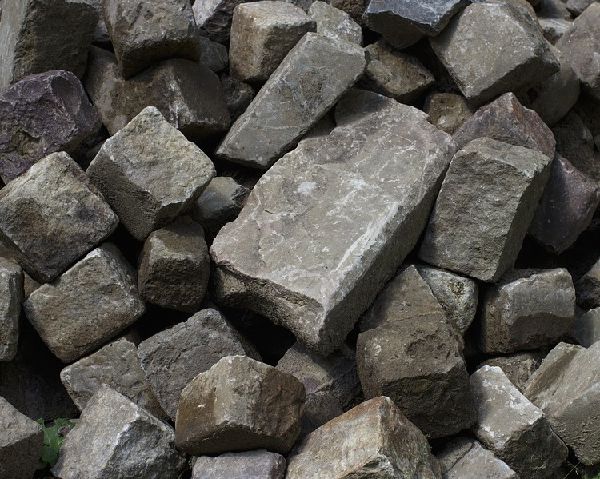
Avoid having loose interlocking bricks and bigger landscaping stones that can used to break windows.
Avoid solid wood privacy fences along the rear property line facing the green space that can conceal intruders once they cross the boundary. Transparent or open-slat fencing allows neighbors or passing patrols to spot activity.
Ensure all rear access points—including garden gates, shed doors, patio doors, walk-out basement doors & low-access windows. Walk-out basements & patio doors, especially glass ones, facing green spaces are primary targets because they are hidden from the street and easy to breach. Install auxiliary patio door locks, anti-lift bars, laminated or shatter-resistant window film. For maximum protection choose ‘unbreakable’ security poly glass, security screens or security doors. Good to secure side entry points as well.
Prune tree branches up to 7 feet from the ground and keep shrubs/bushes trimmed down to 3 feet along the rear boundary. This eliminates natural hiding spots while preserving light and views.
Plant natural deterrent landscaping along the ravine lot boundary (e.g., barberry, pyracantha, hawthorn, or wild rose bushes). These thick, thorny shrubs deter intruders from easily climbing up or through the slope.
Ensure low-hanging branches or thick brush don't block window sightlines from inside the house looking out toward the green space.
Position multi-headed motion sensor lights along the rear elevation, covering all rear entryways, decks, and walk-out basements.
Keep continuous, low-level ambient lighting along the rear property line or deck path throughout the night to eliminate deep shadows where motion sensors might miss activity.
Mount outdoor light fixtures high enough (out of arm's reach) to prevent tampering or bulb unscrewing.
Ravines and forested areas can obscure standard night-vision cameras. Use cameras equipped with high-performance infrared (IR), color night vision or the best option: commercial grade cameras with very high-sensitivity ultra-low light sensors/lens & 4K resolution capability. Position these high enough to cover the slope approach and prevent tampering.
Configure smart camera motion zones to filter out blowing branches, wind-driven foliage, and small wildlife to prevent false-alarm fatigue. If AI monitoring is available, this can further prevent false alarms.
Detached sheds near the rear property line often contain tools (ladders, crowbars) that intruders can use to break into the main house. Keep outbuildings locked with heavy-duty padlocks and contact sensors hooked to your alarm system.
SHARE THIS PAGE!